
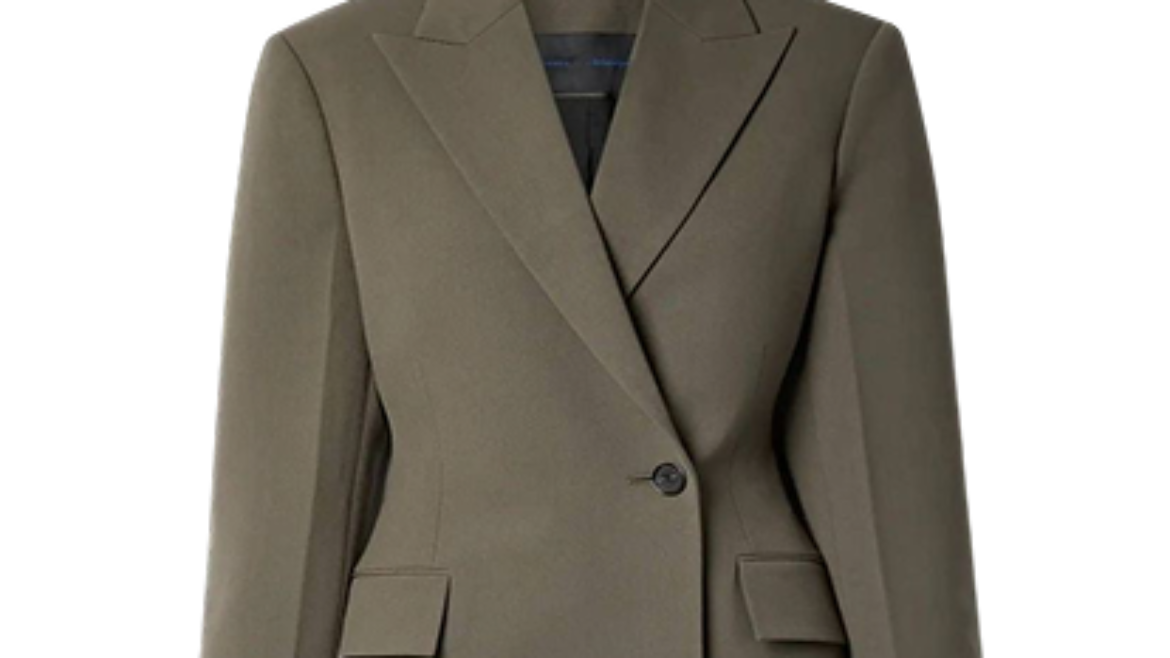
Choosing the right suit wool comes down to three questions: how often you will wear the suit, what climate you will wear it in, and the impression you want it to make. Merino wool is the best all-round choice for daily and business wear. Cashmere offers unmatched softness and warmth for cold-weather and luxury occasions. Mohair provides a crisp, breathable, lightly shiny finish that is ideal for summer, travel and evening events.
At Maximus Custom Clothing, fabric selection is one of the most important steps in creating a suit that fits your body and your lifestyle. This guide explains how each wool performs so you can walk into your consultation knowing exactly what to ask for.
Contents On this Page
Quick Answer: Which Suit Wool Should You Choose?
If you need one suit for work, weddings and everything in between, choose merino wool in a Super 110s to 130s weight. If you want a luxurious winter suit or sport coat and will wear it occasionally, choose cashmere or a wool-cashmere blend. If you need a cool, wrinkle-resistant suit for hot NYC summers, travel or black-tie evenings, choose a wool-mohair blend.
What Is Merino Wool?
Merino wool comes from Merino sheep, a breed originally developed in Spain and now raised mainly in Australia and New Zealand. Merino fibres are fine, typically ranging from about 15 to 24 microns in diameter, which makes them far softer than ordinary sheep’s wool. According to The Woolmark Company, merino is naturally breathable, temperature-regulating and odour-resistant, which explains why it dominates the world of fine suiting.
Why Merino Is the Standard for Suits
Merino wool is the fabric behind most quality business suits because it balances comfort, structure and longevity. The fibre has a natural crimp that gives it elasticity, so a merino suit recovers from creases after a night on a hanger. It drapes cleanly across the shoulders and holds a sharp trouser crease, which is exactly what you want in a custom suit built for daily wear.
Understanding Super Numbers
You will often see merino fabrics labelled Super 100s, 120s, 150s and higher. These numbers refer to the fineness of the fibre: the higher the number, the finer and softer the wool. Higher is not automatically better, though. Super 100s to 130s offer the best balance of softness and durability for suits you wear several times a week, while Super 150s and above feel luxurious but wear faster and wrinkle more easily.
Best Uses for Merino Wool
Merino is ideal for office suits, interview suits, wedding guest attire and year-round wardrobes. Lightweight weaves around 240 to 260 grams work well in spring and summer, while heavier flannels of 300 grams and above are perfect for New York winters.
What Is Cashmere?
Cashmere is not sheep’s wool at all. It comes from the soft undercoat of cashmere goats, raised mainly in Mongolia, China and parts of Central Asia. Each goat produces only a small amount of usable fibre per year, which is why cashmere is so expensive. The Cashmere and Camel Hair Manufacturers Institute notes that, under US labelling rules, fibre sold as cashmere must have an average diameter of no more than 19 microns.
How Cashmere Feels and Performs
Cashmere is exceptionally soft, light and warm for its weight. A cashmere jacket feels almost weightless while still providing serious insulation, making it a favourite for winter sport coats and custom overcoats. It also has a subtle, gentle sheen that reads as quiet luxury rather than flash.
The Drawbacks of Pure Cashmere Suits
The same softness that makes cashmere desirable also makes it delicate. Pure cashmere suits are prone to pilling, shine at friction points such as elbows and seat, and lose shape faster than merino. They also wrinkle more easily and do not hold a trouser crease well. For these reasons, many tailors recommend a wool-cashmere blend, such as 90 percent merino and 10 percent cashmere, which adds softness without sacrificing structure.
Best Uses for Cashmere
Cashmere and cashmere blends are best for winter suits, sport coats, blazers, overcoats and special-occasion pieces you will wear occasionally rather than every day.
What Is Mohair?
Mohair comes from the Angora goat, with South Africa producing a large share of the world’s supply, as noted by Mohair South Africa. Mohair fibres are smooth, strong and highly resilient, with a natural lustre that catches the light. Kid mohair, taken from young goats, is the finest and softest grade used in suiting.
Why Mohair Is a Summer Favourite
Mohair is usually woven in an open, airy structure and blended with merino wool. The result is a fabric that allows air to circulate freely, which makes wool-mohair suits some of the most breathable tailoring fabrics available. Mohair is also highly crease-resistant, so a mohair suit can survive a flight or a long day in the city and still look sharp.
The Look of Mohair
Mohair has a crisp hand and a subtle sheen that gives suits a distinctive, slightly retro elegance. This lustre is why mohair has long been associated with evening wear, sharp 1960s tailoring and custom tuxedos. It feels slightly drier and firmer than merino, which some wearers love and others need time to get used to.
Best Uses for Mohair
Wool-mohair blends are ideal for summer suits, destination weddings, travel suits, tuxedos and evening events. They are less suited to cosy winter wear or anyone who prefers a very soft, fluid drape.
Merino vs Cashmere vs Mohair: Side-by-Side Comparison
| Feature | Merino Wool | Cashmere | Mohair (Blend) |
|---|---|---|---|
| Source | Merino sheep | Cashmere goat undercoat | Angora goat |
| Softness | Soft | Very soft | Crisp, firmer hand |
| Warmth | Moderate, regulates temperature | Very warm | Cool and airy |
| Breathability | High | Moderate | Very high |
| Wrinkle resistance | Good | Low | Excellent |
| Durability | High | Low to moderate | High |
| Sheen | Matte to soft | Subtle soft glow | Noticeable lustre |
| Best season | All year | Autumn and winter | Spring and summer |
| Price | Moderate | High | Moderate to high |
| Best for | Business and everyday suits | Luxury and winter pieces | Summer, travel and evening wear |
How to Choose the Right Suit Wool for Your Needs
Choose by How Often You Will Wear It
For a suit you will wear two or three times a week, durability matters most, so merino in Super 110s to 130s is the smartest investment. For a suit reserved for special events, you can prioritise feel and appearance with cashmere blends or mohair.
Choose by Climate and Season
New York experiences humid summers and cold winters, so many clients build a small rotation. A lightweight merino or wool-mohair suit covers the warm months, while a merino flannel or wool-cashmere blend handles winter. If you only own one suit, a mid-weight merino of around 260 to 280 grams works comfortably for most of the year.
Choose by Occasion
For the office and client meetings, merino projects reliability and polish. For weddings, merino and mohair both photograph beautifully, and our wedding party tailoring team can help match fabrics across the groom and groomsmen. For black-tie evenings, a wool-mohair tuxedo delivers the classic sheen formal wear calls for.
Choose by Budget
Merino offers the best value per wear. Mohair blends sit in the middle to upper range. Pure cashmere is the most expensive and least practical for daily use, which is why blends are often the wiser way to enjoy cashmere softness.
Do Blended Fabrics Offer the Best of Both Worlds?
In many cases, yes. Blends combine the strengths of different fibres while reducing their weaknesses. A wool-cashmere blend gives a merino suit added softness and warmth. A wool-mohair blend gives merino extra breathability, crispness and wrinkle resistance. A wool-silk-linen blend adds texture and summer comfort. Blends also tend to be more affordable than pure luxury fibres, making them a practical choice for custom tailoring that needs to perform in real life.
How to Care for Merino, Cashmere and Mohair Suits
All three fibres reward gentle care. Rest your suit for at least 24 hours between wears so the fibres can recover their shape. Hang jackets on wide, shaped wooden hangers to support the shoulders. Brush the fabric with a soft clothes brush after wearing to remove dust and surface dirt. Steam rather than iron to release wrinkles, and dry clean sparingly, ideally only once or twice per season, since frequent cleaning strips natural oils from the fibre. Store cashmere with cedar blocks to protect it from moths, and give mohair suits plenty of space in the wardrobe so the lustre is not crushed.
Why Fabric Choice Matters More in a Custom Suit
A ready-to-wear suit forces you to accept whatever fabric the brand has chosen. With a custom suit, you choose the fibre, weight, weave, colour and pattern to suit your body, your schedule and your climate. The right fabric also affects how the tailor builds the garment, from canvas and lining choices to how the shoulders and lapels are shaped.
At Maximus Custom Clothing, our family of tailors, led by master tailor Magdy, guides every client through fabric selection during the consultation. You can feel merino, cashmere and mohair swatches in person, see how each drapes, and get honest advice on what will work best for your wardrobe. Visit our showrooms on Fifth Avenue in Manhattan, in Forest Hills, Queens, or in Uniondale, Long Island, or explore our full range of custom tailoring services.
Key Takeaways
Merino wool is the most versatile and durable suit fabric and the best choice for everyday and business wear. Cashmere is the softest and warmest option but is delicate, so it works best in blends, sport coats and overcoats. Mohair is breathable, crease-resistant and lustrous, making wool-mohair blends ideal for summer suits, travel and tuxedos. Blended fabrics often deliver the best balance of comfort, performance and price.
Frequently Asked Questions
What is the best wool for a suit?
Merino wool is the best all-round wool for suits because it is soft, breathable, durable and wrinkle-resistant. A Super 110s to 130s merino is ideal for suits worn regularly throughout the year.
Is cashmere good for suits?
Cashmere is excellent for softness and warmth, but pure cashmere suits wear out quickly, pill and lose shape. A wool-cashmere blend is a better choice for suits, while pure cashmere is best for sport coats and overcoats.
Is a mohair suit good for summer?
Yes. Wool-mohair blends are among the best summer suit fabrics because their open weave allows air to circulate and the fibre resists wrinkling in heat and humidity.
Is mohair warmer than merino?
In suiting, mohair blends usually feel cooler than merino because they are woven in lighter, more open structures. Mohair yarn used in knitwear can be warm, but in tailored suits it is generally a warm-weather fabric.
What does Super 120s mean on a suit?
Super 120s indicates the fineness of the wool fibre used in the fabric. Higher Super numbers mean finer, softer wool, but very high numbers can be less durable and more prone to creasing.
Which suit wool lasts the longest?
Merino wool in a moderate Super number and wool-mohair blends are the most durable suit fabrics. Pure cashmere is the least durable of the three.
Can I get a custom suit in merino, cashmere or mohair in NYC?
Yes. Maximus Custom Clothing offers custom suits in merino, cashmere blends and mohair blends at our New York locations. Book an appointment to see fabric samples and get personal guidance from our tailors.
Ready to Choose Your Perfect Suit Fabric?
The right suit wool makes the difference between a suit you tolerate and a suit you reach for again and again. Whether you want the everyday reliability of merino, the luxury of cashmere or the crisp summer elegance of mohair, our team will help you find the perfect match. Book your fabric consultation today