Quick Answer: A barrel cuff is a single-layer cuff that closes with one or two buttons. It is the everyday standard for office wear, business casual and most suits. A French cuff (also called a double cuff) is twice as long, folds back on itself, and fastens with cufflinks. It is more formal and works best for black tie, weddings,…
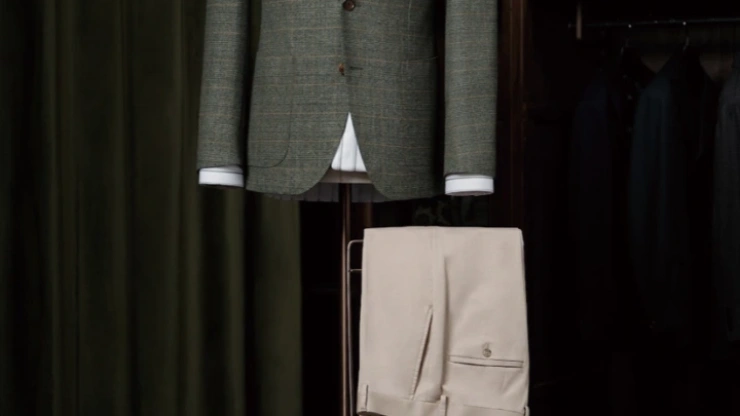
Quick answer: Full canvas, half canvas, and fused describe what sits inside the front of a suit jacket. A full canvas jacket has a floating layer of canvas from the shoulders to the hem, giving the best drape, breathability, and lifespan. A half canvas jacket has canvas only in the chest and lapels, with the lower front fused, offering the…
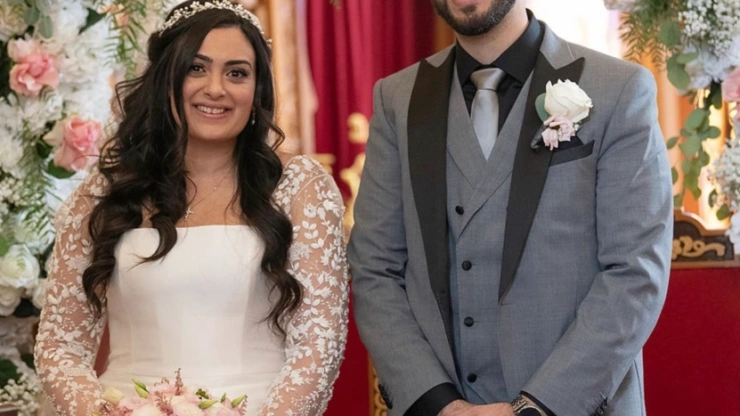
Quick Answer: To coordinate groom and groomsmen suits without matching exactly, choose one shared element (a color family, fabric, or accessory) and vary the rest. Keep suits within the same tonal range, use similar fabric weights and textures, and tie the group together with matching ties, pocket squares, or boutonnieres. The groom should stand out through a contrasting jacket, a…
The three main suit lapel styles are notch, peak, and shawl. A notch lapel is the most versatile and is commonly worn on business and everyday suits. A peak lapel has upward-pointing edges that create a sharper, more formal appearance. A shawl lapel has a smooth, rounded edge and is traditionally associated with tuxedos and black-tie attire. Choosing the right…
The season of your wedding changes almost everything about your suit. A summer wedding suit should be lightweight, breathable, and lighter in color, built from fabrics like linen, cotton, or tropical wool. A winter wedding suit should be heavier and warmer, made from flannel, tweed, or heavyweight wool in deeper shades like navy, charcoal, burgundy, and forest green. Choosing the…
When comparing a custom suit vs. off-the-rack suit, the biggest difference is simple: an off-the-rack suit is made for a standard size, while a custom suit is created around your measurements, proportions, preferences, and intended use. That difference affects much more than how the suit looks on a hanger. It influences fit, comfort, fabric choices, alterations, durability, personal style, and…
A New York summer creates a unique challenge for anyone who needs to wear a suit. You want to look polished enough for a Manhattan office, wedding, business dinner, or formal event without feeling uncomfortable the moment you step outside. So, which fabric is best for a New York summer: wool, linen, or a wool blend? The short answer: lightweight…
Choosing the right suit wool comes down to three questions: how often you will wear the suit, what climate you will wear it in, and the impression you want it to make. Merino wool is the best all-round choice for daily and business wear. Cashmere offers unmatched softness and warmth for cold-weather and luxury occasions. Mohair provides a crisp, breathable,…
Quick answer: A tuxedo and a dinner jacket are the same black-tie garment. “Tuxedo” is the American term and “dinner jacket” is the British one, though “dinner jacket” is also widely used for the white or colored version of the jacket. A suit is a matching jacket and trousers made entirely from one fabric, with no satin trim. That makes…
Quick answer: To take your own suit measurements at home, you need a soft cloth tape measure, a fitted shirt, and ideally a helper. Measure your neck, chest, shoulders, sleeve, waist, jacket length, hips, and inseam keeping the tape level and snug (never tight). Record each number in inches and compare it to a suit measurement chart to find your…