Quick Answer: To coordinate groom and groomsmen suits without matching exactly, choose one shared element (a color family, fabric, or accessory) and vary the rest. Keep suits within the same tonal range, use similar fabric weights and textures, and tie the group together with matching ties, pocket squares, or boutonnieres. The groom should stand out through a contrasting jacket, a three-piece suit, or a unique fabric.
Gone are the days when every man in the wedding party had to wear the exact same rented suit. Today’s couples want wedding photos that feel personal, layered, and stylish, and that means more grooms are choosing coordinated looks instead of identical ones. The trick is creating variety that still looks intentional. Done right, a coordinated wedding party looks curated and confident. Done wrong, it looks like everyone simply showed up in whatever was in their closet.
At Maximus Custom Clothing, we design suits for grooms and groomsmen across New York City, Queens, and Long Island. Below, our tailors share the exact framework we use to help wedding parties look unified without looking uniform.
Contents On this Page
Why Grooms Are Moving Away From Perfectly Matching Suits
Matching suits were once the default because rental shops offered one style in bulk. Now, with custom suits more accessible than ever, couples are realizing that a slight variation in color or style adds depth to photos and lets each groomsman’s personality come through.
Mismatched or coordinated suits also solve real problems. Not every body type looks great in the same cut or shade. A charcoal suit that flatters one groomsman may wash out another. Coordinating rather than matching lets everyone look their best while still belonging to the same visual story.
Finally, coordinated suits are more practical. Groomsmen are far more likely to wear a well-fitting suit in a versatile shade again, whether that is at work, another wedding, or a formal dinner.
The Golden Rule: Pick One Unifying Element
Every successful coordinated wedding party has at least one constant. This is the anchor that tells guests and photographers that the group belongs together. Your unifying element can be any of the following:
- A shared color family such as all blues, all grays, or all earth tones
- The same fabric or texture such as all wool flannel, all linen, or all velvet
- Identical accessories such as matching ties, bow ties, or pocket squares
- The same suit style such as all double-breasted or all peak-lapel jackets
Choose one or two of these to keep consistent, and you have freedom to vary everything else.
1. Coordinate Through a Color Palette
Color is the easiest and most popular way to coordinate groom and groomsmen suits. Instead of choosing one exact shade, choose a range.
Use Shades of the Same Color
A gradient approach works beautifully. For example, groomsmen can wear suits ranging from light gray to medium gray to charcoal, while the groom wears the darkest or lightest shade. This creates a striking visual effect in group photos, especially when the groomsmen line up from light to dark.
Popular gradient palettes include:
- Light gray, medium gray, and charcoal
- Sky blue, navy, and midnight blue
- Tan, camel, and chocolate brown
- Sage, olive, and forest green
Use Complementary Colors
If you want more contrast, pick colors that sit well together on the color wheel. Navy pairs naturally with tan and gray. Burgundy works well with charcoal and navy. Green looks rich alongside brown and cream. Keep the number of different colors to two or three so the group does not look chaotic.
Match the Wedding Color Scheme
Your suits should also coordinate with the bridesmaids, flowers, and venue. If the bridal party is wearing dusty blue, groomsmen in navy, slate, or light gray will complement them naturally. Share the wedding palette with your tailor early so fabric choices support the overall look.
2. Coordinate Through Fabric and Texture
Fabric is an underrated tool for creating cohesion. Even if suit colors differ, using the same or similar fabric creates a subtle connection that looks elevated in person and on camera.
For example, a fall wedding party might all wear textured wool flannel in different shades of brown and gray. A summer beach wedding might use linen in varying tones of sand, light blue, and stone. Winter weddings look especially luxurious when everyone wears velvet or heavier wool.
Keep fabric weight consistent as well. If the groom is wearing a heavy tweed and a groomsman is in lightweight linen, the difference will be obvious and look unplanned. Our custom tailoring process lets you choose fabrics side by side so the whole wedding party stays consistent in feel and drape.
Patterns: Use Them Carefully
Patterns such as pinstripe, windowpane, glen check, or herringbone can add personality, but they need restraint. A good rule is to let only one person, usually the groom, wear a bold pattern. Groomsmen can wear solids or very subtle textures so the pattern does not compete.
3. Coordinate Through Accessories
Accessories are the most affordable and flexible way to tie a wedding party together, especially when suits vary.
Ties and bow ties: Matching ties instantly unify different suit colors. Alternatively, choose ties in the same color with different patterns.
Pocket squares: A shared pocket square color, often pulled from the wedding flowers, creates a consistent detail across every jacket.
Boutonnieres: Identical boutonnieres are one of the strongest visual signals that the group belongs together. The groom’s can be slightly larger or different in bloom.
Shirts: All-white shirts are a simple way to keep the look clean. If groomsmen wear light blue or patterned shirts, keep the collar style consistent. Custom shirts make it easy to keep collar shape and fit uniform across the group.
Shoes and belts: Keep leather tones in the same family. Mixing black and brown shoes across the group is one of the most common mistakes that makes a party look uncoordinated.
Socks, cufflinks, and tie bars: These small details are a fun way to add personality or give groomsmen a personalized gift they will actually use.
4. Coordinate Through Suit Style and Cut
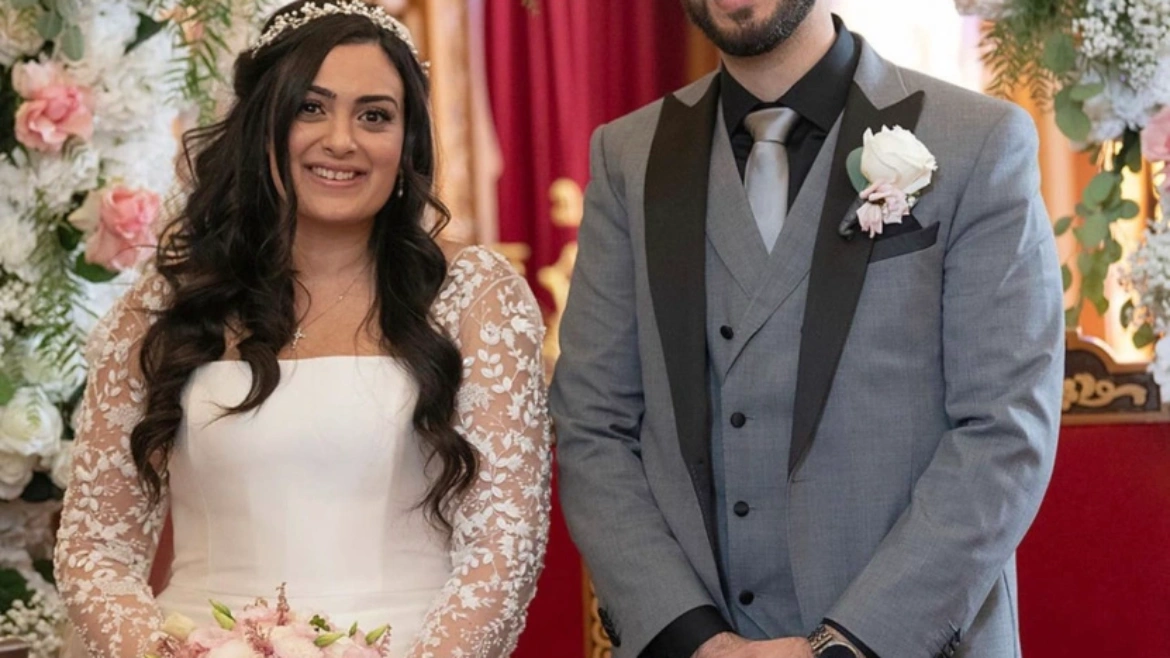
You can also keep colors identical and vary the style. For example, everyone wears navy, but the groom wears a three-piece suit with a vest while groomsmen wear two-piece suits. Or groomsmen wear notch lapels while the groom wears a peak lapel.
Variations in cut that still look cohesive include:
- Two-piece vs. three-piece suits
- Notch lapel vs. peak lapel vs. shawl collar
- Single-breasted vs. double-breasted jackets
- Vests only for groomsmen with jackets reserved for the groom
Just keep the overall fit consistent. If the groom wears a slim modern cut and a groomsman wears a loose, boxy suit, the difference will look accidental rather than stylish. A tailored fit across the whole group is what makes coordinated looks work.
5. Make the Groom Stand Out
In any coordinated wedding party, the groom should be the clear focal point. Here are the most effective ways to set him apart while keeping the group unified:
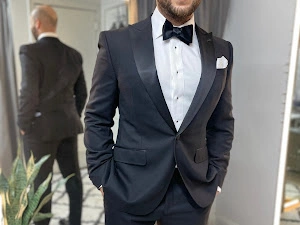
Wear a contrasting jacket. A white or ivory dinner jacket against navy or black groomsmen suits is a timeless look.
Choose a tuxedo. If groomsmen wear suits, a custom tuxedo immediately distinguishes the groom. For formal evening weddings, understanding the rules of black tie dress helps the groom elevate his look correctly.
Add a vest. A three-piece suit adds formality and a polished silhouette.
Pick a richer fabric. Velvet, silk blends, or a textured weave in the same color as the groomsmen creates a subtle but noticeable upgrade.
Use a unique accessory. A different tie color, a patterned pocket square, or a statement boutonniere can quietly signal who the groom is.
Popular Coordinated Groom and Groomsmen Combinations
Here are proven combinations our tailors recommend for different wedding styles:
| Wedding Style | Groom | Groomsmen | Unifying Element |
|---|---|---|---|
| Classic Formal | Black tuxedo | Charcoal suits | Black bow ties |
| Modern City Wedding | Navy three-piece | Mixed blue and gray suits | Matching ties |
| Rustic or Barn | Brown tweed suit | Tan and olive suits | Earth-tone textures |
| Summer Beach | Light linen suit | Sand and light blue linen | Same fabric, no ties |
| Winter Evening | Velvet dinner jacket | Navy or black suits | Matching pocket squares |
| Garden Party | Light gray suit | Sage and dusty blue suits | Floral boutonnieres |
Common Mistakes to Avoid
Even well-planned wedding parties can miss the mark. Avoid these common errors:
Too many different colors. More than three suit colors usually looks random rather than intentional.
Inconsistent fit. Off-the-rack suits fit everyone differently. A poorly fitted suit stands out far more than a different color.
Mixing formality levels. A linen suit next to a velvet tuxedo creates visual confusion. Keep everyone at the same level of formality.
Ignoring the venue and season. Heavy wool in July or linen in December will look and feel wrong.
Skipping a group preview. Always lay out fabric swatches or do a group fitting before finalizing choices so you can see how the colors work together.
Why Custom Suits Make Coordination Easier
Coordinating a wedding party is much simpler when every suit comes from the same tailor. With custom clothing, you can choose fabrics from the same mill, keep lapel widths and button styles consistent, and make sure every groomsman’s suit fits perfectly regardless of body type.
Our wedding parties service is built for exactly this. We handle the groom and groomsmen together, from the initial consultation and measurements to fabric selection, fittings, and final adjustments. One of our clients had six suits made for his brother’s wedding, one for the groom and five for the groomsmen, and the team traveled to him for measurements and delivery. You can read more experiences like this on our testimonials page.
If any groomsmen already own suits, our tailors can also help make adjustments so existing pieces blend with new custom ones.
How to Plan Coordinated Wedding Suits: Step-by-Step Timeline
4 to 6 months before the wedding: Decide on your color palette and unifying element. Book a consultation with your tailor.
3 to 4 months before: Gather measurements from all groomsmen and finalize fabrics and styles.
6 to 8 weeks before: Complete first fittings and make adjustments.
2 to 3 weeks before: Final fittings, accessory checks, and pickup.
Wedding week: Do a final try-on with shirts, shoes, ties, and boutonnieres to confirm everything works together.
For general wedding planning timelines and inspiration, resources like The Knot and Brides are helpful guides alongside your tailor’s advice.
Frequently Asked Questions
Can groomsmen wear different colored suits?
Yes. Groomsmen can wear different colored suits as long as the colors belong to the same family or palette, such as shades of blue or gray. Tie the look together with matching ties, pocket squares, or boutonnieres so the group looks intentional.
Should the groom wear the same suit as the groomsmen?
No, the groom does not need to match the groomsmen. Most modern grooms wear a slightly different suit, such as a tuxedo, a three-piece suit, a contrasting jacket, or a richer fabric, so they stand out as the focal point.
How many different suit colors should a wedding party have?
Two to three colors is the ideal range. More than three colors often looks unplanned, while one to three shades within a palette creates depth and cohesion.
What is the easiest way to coordinate mismatched groomsmen suits?
The easiest method is matching accessories. Identical ties, pocket squares, and boutonnieres instantly connect suits of different colors or styles.
Can groomsmen wear their own suits to a wedding?
Yes, if the suits fall within the chosen color palette and fit well. A tailor can alter existing suits so they look consistent with the rest of the wedding party.
How far in advance should the wedding party order custom suits?
Plan to start three to six months before the wedding. This allows enough time for measurements, fabric selection, fittings, and any adjustments.
Where can I get custom groom and groomsmen suits in NYC?
Maximus Custom Clothing creates custom wedding suits and tuxedos for grooms and groomsmen, with locations at 431 Fifth Avenue in Manhattan, 70-21 Austin Street in Forest Hills, Queens, and 225 Arcadia Avenue in Uniondale, Long Island.
Key Takeaways
- Choose one unifying element such as color family, fabric, or accessories.
- Keep suit colors within a palette of two to three shades.
- Match fabric weight and formality level across the group.
- Use ties, pocket squares, and boutonnieres to connect different suits.
- Let the groom stand out with a tuxedo, vest, contrasting jacket, or richer fabric.
- Make sure every suit fits well, because fit matters more than matching.
Plan Your Coordinated Wedding Look With Maximus Custom Clothing
A coordinated wedding party is all about balance. When colors, fabrics, and accessories work together, the result feels personal, polished, and photo-ready. Whether you want subtle shades of gray, a bold mix of blues, or a classic tuxedo with coordinated groomsmen suits, our tailors will guide every decision so your group looks unified on your big day.
Visit us at our Fifth Avenue, Forest Hills, or Uniondale showroom, explore our full range of services, or book your wedding party appointment today. Have questions first? Contact our team and we will help you plan the perfect coordinated look.