The season of your wedding changes almost everything about your suit. A summer wedding suit should be lightweight, breathable, and lighter in color, built from fabrics like linen, cotton, or tropical wool. A winter wedding suit should be heavier and warmer, made from flannel, tweed, or heavyweight wool in deeper shades like navy, charcoal, burgundy, and forest green. Choosing the right fabric and color for your season keeps you comfortable all day and makes your photos look intentional rather than out of place.
At Maximus Custom Clothing, our tailors in New York help grooms, groomsmen, and wedding guests pick fabrics and colors that suit both the season and the venue. This guide breaks down exactly what to wear for a winter wedding versus a summer wedding, so you can walk into your consultation knowing what you want.
Contents On this Page
Why the Season Matters When Choosing a Wedding Suit
Most weddings involve long hours on your feet, from the ceremony and photos to the reception and dancing. A suit that is too heavy in July will leave you overheated, while a lightweight suit in December will feel thin and look out of season. The season affects three main decisions: fabric weight, fiber type, and color palette.
Fabric weight is usually measured in grams per meter or ounces per yard. As a general rule, summer suits fall in the 7 to 9 ounce range, year-round suits sit around 9 to 11 ounces, and winter suits run 11 ounces and above. A good custom suit lets you choose the exact weight that matches your wedding date, rather than settling for whatever is on the rack.
Winter vs Summer Wedding Suits at a Glance
| Feature | Summer Wedding Suit | Winter Wedding Suit |
|---|---|---|
| Fabric weight | 7 to 9 oz (light) | 11 to 14 oz (medium to heavy) |
| Best fabrics | Linen, cotton, tropical wool, seersucker, wool-linen blends | Flannel, tweed, heavyweight worsted wool, velvet, cashmere blends |
| Best colors | Light gray, tan, beige, light blue, sage green, ivory | Navy, charcoal, burgundy, forest green, deep brown, black |
| Lining | Half-lined or unlined for airflow | Fully lined for warmth |
| Finish | Matte, breathable, relaxed | Rich, textured, structured |
| Accessories | Loafers, linen pocket squares, lighter ties | Overcoats, wool ties, leather boots or oxfords |
Best Fabrics for a Summer Wedding Suit
Summer weddings call for fabrics that breathe, wick moisture, and stay comfortable in heat and humidity. Here are the strongest options.
Linen
Linen is the classic warm-weather fabric. It is made from flax fibers, which allow air to move freely and dry quickly. The trade-off is that linen wrinkles easily, which many grooms embrace as part of its relaxed charm. It works best for beach weddings, garden ceremonies, and destination events. You can learn more about how flax is grown and processed from the Alliance for European Flax-Linen & Hemp.
Tropical Wool
Many people assume wool is only for winter, but lightweight tropical wool is one of the best summer suit fabrics available. It has an open weave that breathes well, resists wrinkles better than linen, and drapes cleanly in photos. According to The Woolmark Company, wool naturally regulates body temperature and absorbs moisture vapor, which is why it performs well even in warm weather. Tropical wool is ideal for formal summer weddings where you still want a sharp, polished look.
Cotton
Cotton suits are breathable, soft, and slightly more casual than wool. They come in textures like poplin and twill and work especially well in lighter shades like khaki, stone, and light blue. Cotton is a strong choice for daytime and semi-formal summer weddings.
Seersucker
Seersucker is a lightweight cotton fabric with a puckered texture that keeps the material slightly lifted off the skin, improving airflow. It is a traditional choice for Southern and outdoor summer weddings and pairs well with a playful, vintage-inspired style. The fabric’s history is covered well on Wikipedia’s seersucker page.
Wool-Linen and Wool-Silk Blends
Blends give you the best of both worlds. A wool-linen blend offers the breathability of linen with less wrinkling, while a wool-silk blend adds a subtle sheen that looks elegant at evening receptions.
Best Colors for a Summer Wedding Suit
Lighter colors reflect sunlight and suit the bright, airy mood of a summer wedding. The most popular summer wedding suit colors include light gray, tan, beige, sand, light blue, powder blue, sage green, and ivory or cream.
Light gray is the safest all-around option because it works for both grooms and groomsmen and pairs with almost any wedding palette. Tan and beige look natural against outdoor greenery and beach settings. Light blue and sage green have become popular for couples who want something fresh and modern without going too bold. For an evening summer wedding, a mid-blue or a lightweight navy still looks seasonally appropriate as long as the fabric itself is light.
If you are dressing an entire bridal party, our wedding parties service can coordinate colors and fabrics so the groom stands out while the groomsmen stay cohesive.
Best Fabrics for a Winter Wedding Suit
Winter weddings allow you to wear richer, heavier fabrics with more texture and warmth. These fabrics also photograph beautifully against snowy backdrops, candlelit venues, and holiday décor.
Flannel
Wool flannel is brushed to create a soft, slightly fuzzy surface that traps warmth. It has a matte finish and a cozy, refined look that suits winter perfectly. Gray and charcoal flannel are timeless choices for winter grooms. The fabric’s background is explained on Wikipedia’s flannel page.
Tweed
Tweed is a rugged, heavily textured wool fabric that originated in Scotland and Ireland. It works well for rustic, countryside, barn, or vintage-themed winter weddings. Tweed comes in patterns like herringbone and houndstooth, which add visual interest without needing bold colors.
Heavyweight Worsted Wool
For a formal winter wedding, a heavier worsted wool in the 11 to 13 ounce range gives you warmth with a smooth, sharp finish. It holds its shape all day and is the most versatile winter suiting option.
Velvet
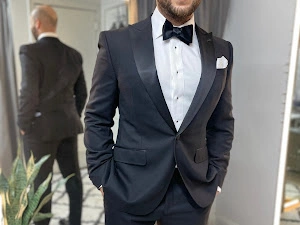
Velvet is a luxurious choice for evening winter weddings, especially for dinner jackets. A burgundy, emerald, or midnight blue velvet jacket paired with black trousers makes a strong statement. Many grooms choose velvet as part of a custom tuxedo for black-tie winter celebrations.
Cashmere and Wool-Cashmere Blends
Cashmere blends add softness and warmth while keeping the suit light enough to move in. They feel exceptionally comfortable and carry a quiet luxury that suits upscale winter venues.
Best Colors for a Winter Wedding Suit
Winter weddings call for deeper, richer tones that match the season’s mood. The most popular winter wedding suit colors include navy, charcoal gray, black, burgundy or wine, forest green and emerald, deep brown, and midnight blue.
Navy and charcoal are classic and flattering on nearly every skin tone, which makes them the most common choices for grooms. Burgundy and forest green feel festive and work especially well for December and holiday weddings. Midnight blue is a refined alternative to black for evening and black-tie events, and it often photographs richer than black under artificial lighting.
How to Choose Between Fabric and Color for Your Wedding
The right choice depends on more than just the calendar. Before you finalize your suit, think through these factors.
The venue matters as much as the season. An indoor winter ballroom with heating may allow a slightly lighter fabric, while an outdoor summer ceremony in direct sun calls for the lightest weight you can find. Consider the time of day as well, since daytime weddings lean toward lighter colors and evening weddings toward darker shades regardless of season.
Your wedding color palette should guide the suit color too. A neutral suit like gray or navy gives you flexibility to bring in the wedding colors through ties, pocket squares, and boutonnieres. Finally, think about the dress code. Black-tie events call for a tuxedo, formal events for a dark suit, and semi-formal or casual events open the door to lighter colors and textured fabrics. Planning guides from The Knot offer helpful advice on wedding dress codes if you are still deciding on the formality of your event.
Can You Wear One Suit for All Seasons?
Yes, if you choose wisely. A mid-weight worsted wool in the 9 to 11 ounce range, in navy or medium gray, can work for spring, fall, and many winter or summer weddings. This is a smart option for groomsmen or guests who attend several weddings a year. However, if you are the groom, a suit tailored specifically for your season will always look and feel better on the day.
Layering and Accessories by Season
Accessories help you adapt your look to the weather. For winter weddings, a tailored custom overcoat keeps you warm for outdoor photos and arrivals, while wool ties, knit ties, and leather gloves add seasonal texture. A vest or three-piece suit also adds warmth and formality.
For summer weddings, consider a half-lined jacket, a breathable cotton or linen shirt, and lightweight loafers. Skip the vest and choose silk or linen pocket squares in lighter shades. A properly fitted custom shirt made from breathable cotton makes a big difference when the jacket comes off at the reception.
Why a Custom Wedding Suit Makes the Difference
Off-the-rack suits usually come in a single standard weight, which rarely matches the actual conditions of your wedding day. With custom tailoring, you choose the exact fabric, weight, color, lining, and fit for your season and venue. That means you stay comfortable through the ceremony, the photos, and the last dance.
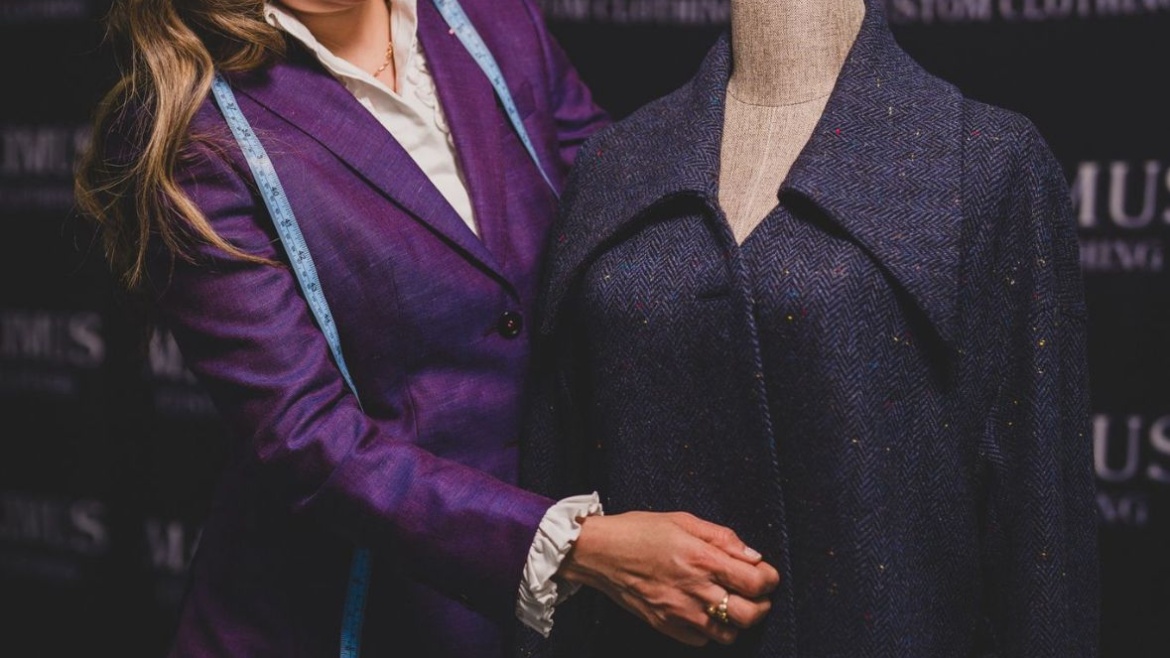
At Maximus Custom Clothing, our process includes a personal consultation, precise measurements, fabric selection, design customization, and multiple fittings to make sure everything is right before the big day. We also tailor suits for brides and women in the wedding party through our women’s custom suits service. You can read what past grooms say about their experience on our testimonials page.
When Should You Order Your Wedding Suit?
Plan to start the process three to four months before your wedding. This gives enough time for fabric selection, production, a first fitting, adjustments, and a final fitting. For large wedding parties or peak wedding season dates, starting even earlier is a good idea. If you are ready to begin, you can book an appointment at one of our New York locations.
Frequently Asked Questions
What is the best fabric for a summer wedding suit?
The best fabrics for a summer wedding suit are linen, tropical wool, cotton, seersucker, and wool-linen blends. Tropical wool is the best choice for formal events because it breathes well and resists wrinkles, while linen suits relaxed outdoor and beach weddings.
What is the best fabric for a winter wedding suit?
Flannel, tweed, heavyweight worsted wool, velvet, and cashmere blends are the best fabrics for winter weddings. Heavyweight worsted wool is the most versatile, while velvet is ideal for evening and black-tie winter events.
What color suit should I wear to a summer wedding?
Light gray, tan, beige, light blue, sage green, and ivory are the best colors for summer weddings. Light gray is the most versatile choice and works with almost any wedding color scheme.
What color suit should I wear to a winter wedding?
Navy, charcoal, black, burgundy, forest green, and midnight blue are the best colors for winter weddings. Navy and charcoal are classic options, while burgundy and green add a festive seasonal touch.
Can I wear a navy suit to a summer wedding?
Yes. Navy works year-round as long as the fabric is lightweight and breathable. Choose a tropical wool or wool-linen navy suit for summer, and pair it with lighter accessories to keep the look seasonal.
Is wool too hot for a summer wedding?
Not if you choose the right weight. Lightweight tropical wool between 7 and 9 ounces breathes well and regulates temperature, often keeping you cooler than synthetic fabrics.
How far in advance should I order a custom wedding suit?
Order your custom wedding suit three to four months before the wedding. This allows enough time for production and multiple fittings without rushing.
Final Thoughts
Choosing between a winter and summer wedding suit comes down to matching fabric weight and color to the season, venue, and time of day. Summer calls for light, breathable fabrics in soft, pale colors, while winter invites rich textures and deep, warm tones. When your suit is made for your exact conditions, you look sharper in photos and feel comfortable from the first toast to the final dance.
Ready to design a wedding suit made for your season? Contact Maximus Custom Clothing or visit one of our New York showrooms to start your custom fitting today.