The best fabric for a dress shirt is cotton poplin if you want a crisp, formal shirt for suits and warm weather. Twill is the better choice if you want a richer, softer shirt that resists wrinkles, and oxford is best for a durable shirt you can dress down. All three are usually 100% cotton. The difference is the weave, which changes how the shirt looks, feels, breathes and holds up through a long day.
At Maximus Custom Clothing, fabric selection is one of the first steps in making a shirt, and it is the step clients ask the most questions about. This guide explains each weave in plain terms so you can walk into a fitting knowing what you want.
Contents On this Page
Poplin vs Oxford vs Twill at a Glance
| Feature | Poplin | Oxford | Twill |
|---|---|---|---|
| Weave | Plain weave | Basket weave | Diagonal weave |
| Texture | Smooth and crisp | Textured and slightly rough | Soft with a fine diagonal rib |
| Weight | Light | Medium to heavy | Medium |
| Formality | High | Low to medium | High |
| Breathability | Excellent | Good | Moderate |
| Wrinkle resistance | Low | Medium | High |
| Durability | Good | Excellent | Very good |
| Best season | Spring and summer | Fall and winter | Year-round, best in cooler months |
| Best for | Suits, weddings, daily office wear | Business casual, weekends | Boardrooms, travel, evening events |
What Is Poplin?
Poplin is a plain weave fabric in which each thread passes over one and under one. Fine yarns and a tight weave give it a smooth, flat surface with almost no visible texture. You will also see it sold as broadcloth, and for practical purposes the two are the same shirt fabric.
Poplin is the classic dress shirt cloth. It is light, cool against the skin, and looks sharp under a jacket and tie. Its smooth surface also shows colors and stripes cleanly, which is why most white and light blue business shirts are poplin.
The trade-offs are wrinkles and opacity. Poplin creases more easily than the other two weaves, and a thin white poplin can be slightly see-through. A two-ply poplin in a quality cotton reduces both problems.
Choose poplin if: you wear a suit most days, you run warm, or you need a formal shirt for a wedding or an interview.
What Is Oxford Cloth?
Oxford cloth is a basket weave fabric, where pairs of threads cross over each other. It often uses a colored thread in one direction and a white thread in the other, which creates its familiar two-tone, slightly grainy look. The yarns are thicker than poplin yarns, so the shirt feels heavier and more substantial.
Oxford is the most durable and the most casual of the three. It softens with every wash, hides wrinkles well, and pairs naturally with a button-down collar, chinos, denim and unstructured blazers. It is usually too textured for a formal suit or a tuxedo.
Two finer versions close the gap with dressier fabrics. Pinpoint oxford uses thinner yarns in the same weave and works well for the office. Royal oxford has a more elaborate weave with a noticeable shine and is formal enough for a suit and tie.
Choose oxford if: your office is business casual, you want one shirt for work and weekends, or you want a shirt that lasts for years.
What Is Twill?
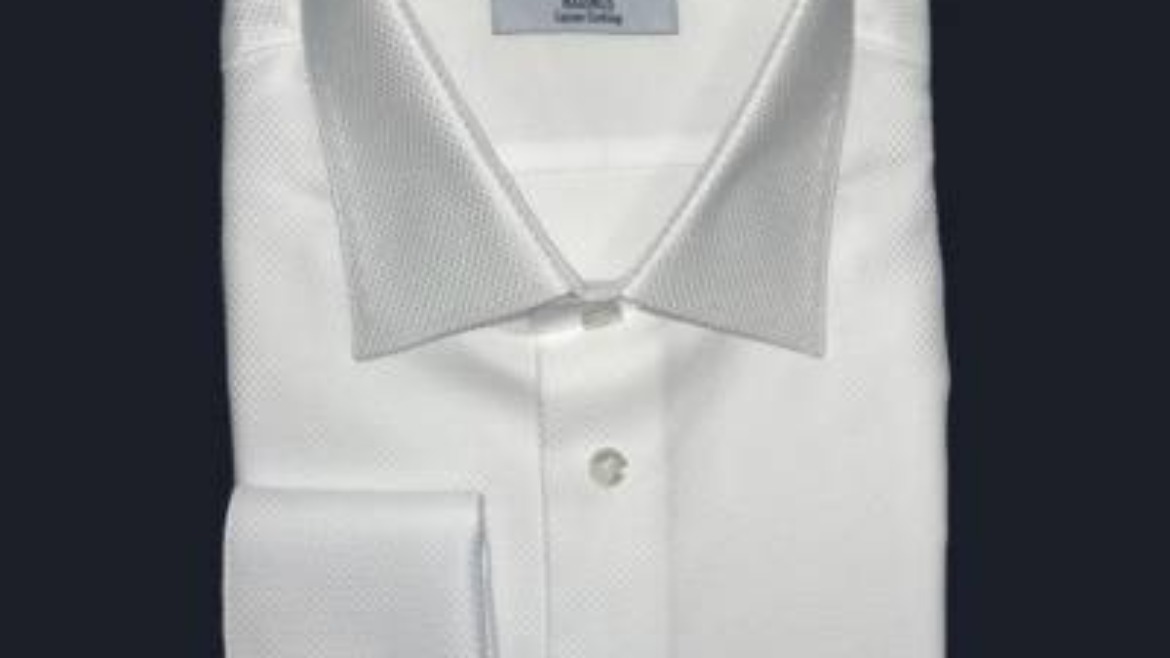
Twill is woven so the threads form fine diagonal lines across the fabric. That structure makes the cloth denser, softer and a little heavier than poplin, with a subtle sheen and a smooth drape. Herringbone is a twill in which the diagonal reverses direction to form a zigzag pattern.
Twill is as formal as poplin but behaves differently. It resists wrinkles, irons easily, and is fully opaque, even in white. That makes it a strong choice for long workdays, travel and evening events.
Its drawback is warmth. Twill holds more heat than poplin, so it is less comfortable on a humid New York summer day. It can also hold onto stains more stubbornly because of its tight structure.
Choose twill if: you want a shirt that still looks pressed at 6 PM, you travel often, or you want a richer fabric for cooler months.
Which Fabric Is Best for Each Occasion?
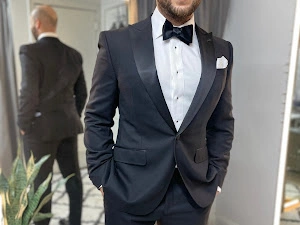
For weddings and black-tie events, choose poplin or a fine twill. Both sit cleanly under a jacket and photograph well. If you are dressing a full wedding party, one fabric across every shirt keeps the group consistent, which our wedding party service is built around. For a custom tuxedo, a smooth white poplin or twill is the standard choice.
For daily business wear with a custom suit, rotate poplin in warm months and twill in cold months. Pinpoint oxford is a good middle option if you want more texture without losing polish.
For business casual and weekends, choose oxford. It looks right without a tie, with rolled sleeves, and under knitwear.
For hot weather, choose poplin. For the least ironing, choose twill.
Does Thread Count Matter in a Dress Shirt?
Thread count matters, but less than most labels suggest. Shirt fabrics are graded by yarn number, such as 80s, 100s or 120s. Higher numbers mean finer yarns and a smoother, silkier feel. Fabrics in the 80s to 100s range are durable and well suited to daily wear. Fabrics at 120s and above feel more luxurious but wrinkle more easily and wear out sooner.
Ply matters just as much. Two-ply fabric twists two yarns together into one thread, which makes the cloth stronger, more opaque and longer lasting than single-ply. Cotton quality is the third factor. Long-staple cottons such as Egyptian and Pima produce smoother, stronger yarns than standard cotton.
A two-ply 100s poplin or twill is a reliable starting point for most men.
Why Fabric Works Best on a Custom Shirt
The right fabric only looks right when the shirt fits. A premium twill that pulls at the chest or billows at the waist will look worse than a basic shirt cut to your measurements. With custom shirts, you choose the fabric, collar, cuffs and fit together, so each choice supports the others.
Maximus Custom Clothing is a family-owned clothier with showrooms on Fifth Avenue in Manhattan, in Forest Hills, Queens, and in Uniondale, Long Island. Our tailors take your measurements, walk you through fabric options in person, and adjust the shirt until it fits. You can read what clients say on our testimonials page or learn more about our family and our story.
Ready to feel the difference between poplin, oxford and twill in person? Book an appointment or contact us at (347) 735-0650.
Frequently Asked Questions
What is the best fabric for a dress shirt?
Cotton poplin is the best all-round fabric for a dress shirt because it is smooth, light, breathable and formal. Twill is the best choice for wrinkle resistance and cooler weather. Oxford is the best choice for casual and business casual wear.
Is poplin or twill better for dress shirts?
Poplin is better for hot weather and a crisp, flat look. Twill is better for wrinkle resistance, opacity and a softer feel. Both are formal enough for a suit and tie, so the choice comes down to climate and how much ironing you want to do.
Is an oxford shirt a dress shirt?
A standard oxford shirt is a casual to business casual shirt, not a formal dress shirt. Its thick basket weave is too textured for formal suits and tuxedos. Pinpoint oxford and royal oxford are finer versions that are suitable for the office.
Which dress shirt fabric wrinkles the least?
Twill wrinkles the least of the three. Its diagonal weave lets the fabric recover from creasing and makes it easy to iron. Oxford hides wrinkles well because of its texture, while poplin shows them the most.
Which dress shirt fabric is coolest in summer?
Poplin is the coolest dress shirt fabric in summer. Its light weight and plain weave let air pass through easily. Lightweight oxford is a comfortable casual alternative, and twill is the warmest of the three.
What is the difference between poplin and broadcloth?
There is almost no practical difference. Both are tightly woven plain weave cottons with a smooth finish. In the United States the fabric is often called broadcloth, while poplin is the more common term elsewhere.